If you drive in Brampton, you know how brutal the summer sun can get. Your car turns into a greenhouse, the steering wheel burns your hands, and the A/C struggles to keep up. That is exactly why you got your windows tinted in the first place.
But here is the problem: window tint does not last forever. Over time, sunlight, heat, moisture, and daily wear break down the film. Cheap films start to fail in as little as 2–3 years. And when your tint fails, it stops protecting you—and can even start costing you money.
If you are noticing issues with your window tint Brampton , do not ignore them. Here are the five signs that it is time to replace your car window tinting Brampton and get fresh film installed.
1. Bubbling That Won’t Go Away
A few small moisture pockets can happen right after a fresh tint install during the curing process. That is normal. But if bubbles show up months or years later, that is a red flag.
What it looks like: Raised spots, air pockets, or blisters across the glass that distort your view.
Why it happens: Bubbling usually means the adhesive is breaking down, the film is separating from the glass, or moisture got trapped in a way that never settled correctly. Once the adhesive fails, the film will not sit flat against the glass anymore.
Why it matters: Bubbling affects both appearance and visibility. It can make your windows look cheap and neglected—and can distort your view, especially when the sun hits at the wrong angle. Trying to press old bubbles back down rarely fixes the issue. Once the adhesive has failed, replacement is usually the cleanest solution.
According to Fresh Window Tinting , bubbles under the surface of your window film are one of the most common signs of aging. These bubbles are usually caused by a breakdown of the adhesive used during installation. As the adhesive fails, air pockets form between the glass and the film. Peeling usually starts at the corners of your windows and spreads across the surface. Once bubbling or peeling starts, there’s no fixing it — the only solution is to remove and replace the tint.
If your auto window tinting Brampton has developed persistent bubbles, it is time to replace it.
2. Peeling Around the Edges
Peeling often starts small. You may notice one corner lifting, a thin edge curling near the bottom of the glass, or film pulling away around the window frame.
What it looks like: Edges of the film lifting, curling, or pulling away from the glass.
Why it happens: Peeling can happen from poor installation, old adhesive, repeated window movement, heat exposure, moisture getting under the film, or aggressive cleaning near the edges.
Why it matters: Once the edge lifts, dirt starts collecting underneath. The tint can look stained or cloudy around the damaged area. It also becomes harder to clean because the contamination is trapped under the film. If the film is peeling on multiple windows, it is a strong sign that window tint replacement Brampton is needed.
3. Purple, Yellow, or Faded Tint
This is one of the most obvious signs. Old window tint often changes color. Many lower-quality dyed films turn purple over time. Some may turn yellow, bronze, or wash out depending on the material, sun exposure, and age of the film.
What it looks like: Tint that has turned purple, brown, yellow, or unevenly faded.
Why it happens: UV rays from the sun break down the dye molecules in the film. By the time purple is obvious from 10 feet away, the film has lost 20–30% of its rated VLT—meaning previously legal tint may now read illegal on a meter. Low-quality dyed films are especially susceptible.
Why it matters: This color shift is more than a cosmetic issue. It usually means the film has lost part of its original structure and protection. When tint fades badly, it may no longer block light, heat, or UV rays the way it once did. Faded tint can also make a clean car look old and neglected.
According to Ceramic Pro , one of the primary culprits behind the purple tint is prolonged exposure to UV radiation. UV rays from the sun can accelerate the degradation of dye molecules in window tint films. When exposed to UV radiation over an extended period, the chemical bonds in the dye molecules weaken and break, causing the color to shift towards purple. Higher-quality tints are typically manufactured with superior dyes and additives that offer increased protection against UV radiation and heat, which is why investing in a reputable brand and professional installation can significantly prolong the lifespan of your tint.
4. Hazy or Blurry Visibility
If your windows look cloudy, hazy, or blurry, the tint is degrading.
What it looks like: A cloudy or hazy appearance when looking through the glass, especially at night with oncoming headlights creating a halo or starburst effect.
Why it happens: Micro-scratches accumulate in the adhesive layer over years. Paper towels and improper interior cleaning accelerate this damage. The film’s inner coating can also delaminate, creating a hazy appearance.
Why it matters: Hazy tint reduces visibility and creates a driving safety issue. If straight lines like lampposts look distorted or you see a halo effect from headlights at night, the tint is no longer doing its job.
5. More Heat Inside the Vehicle
One of the biggest reasons people get window tint is comfort. A quality film helps reduce heat buildup inside the vehicle, especially during hot sunny days.
What it feels like: Your car feels hotter than it used to, even with the A/C on full blast. The interior no longer feels as protected from the sun.
Why it happens: Old, degraded tint loses its UV-blocking and heat-rejection capabilities over time. Cheap dyed film rejects only 20–40% of solar heat, while quality ceramic film rejects 50–80%.
Why it matters: When your tint stops rejecting heat, your A/C has to work harder—which can reduce fuel efficiency. Your interior also suffers, with upholstery fading and cracking from UV exposure.
Window Tint Lifespan by Film Type
| Film Type | Typical Lifespan | Common Failure Mode |
| Dyed | 2–5 years | Purple fading, bubbling |
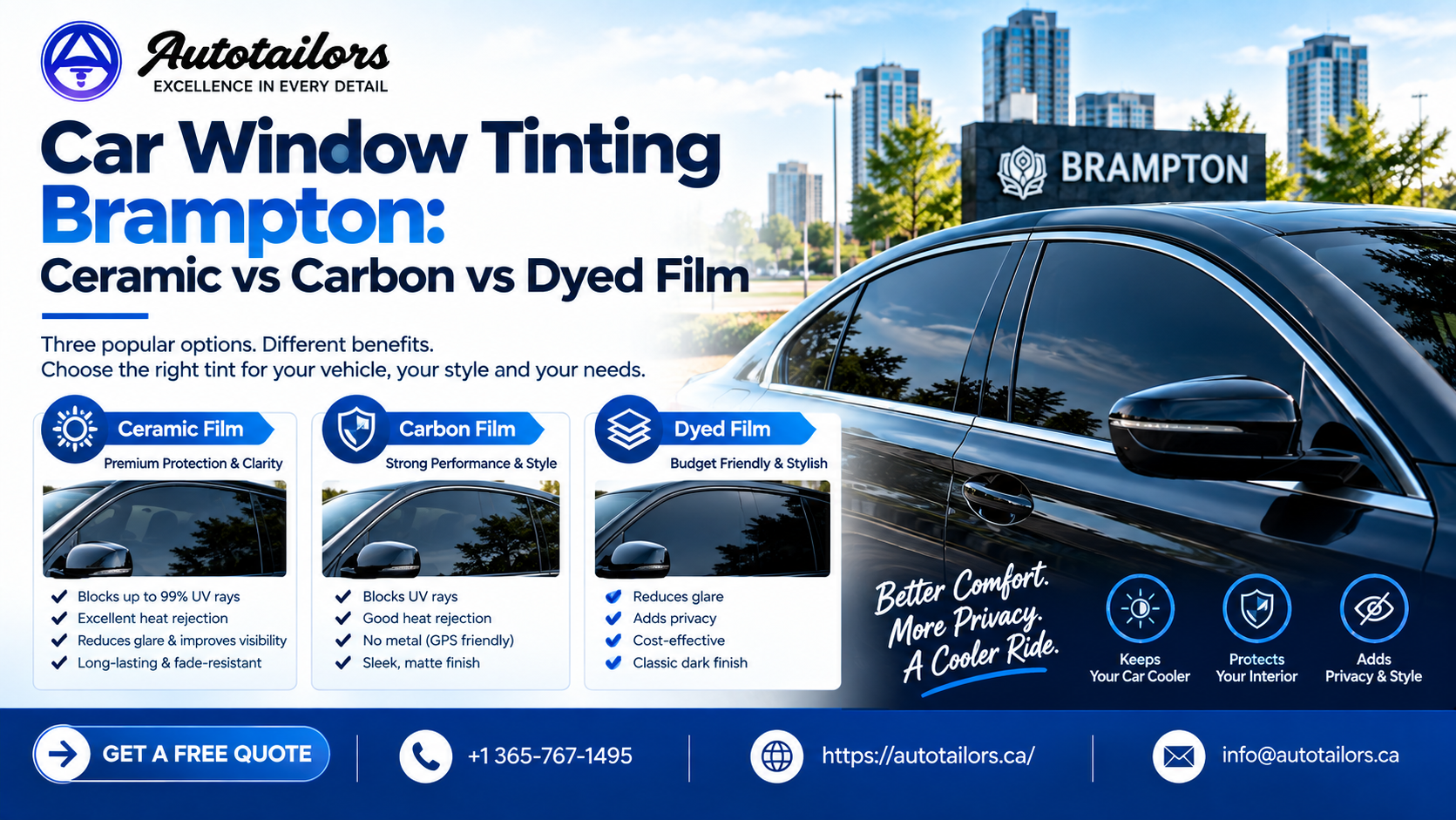
| Carbon | 7–10 years | Adhesive failure (rare) |
| Ceramic | 10–20+ years | Rare under normal use |
According to Global Tint UK , window tint films have a limited lifespan ranging from 3 to 15 years. Dyed window tint typically lasts 3 to 5 years, hybrid window tint lasts 5 to 10 years, and ceramic window tint lasts 10 to 15 years.
High-quality ceramic window tint can last 10 to 15 years or more. Dyed tint generally has the shortest lifespan and may fade after years of sun exposure. If your tint is approaching the end of its expected lifespan, replacement is wise even if you have not noticed obvious damage yet.
Legal Implications: Old Tint Could Cost You
Here is something many Brampton drivers do not realise: old, faded tint can become illegal.
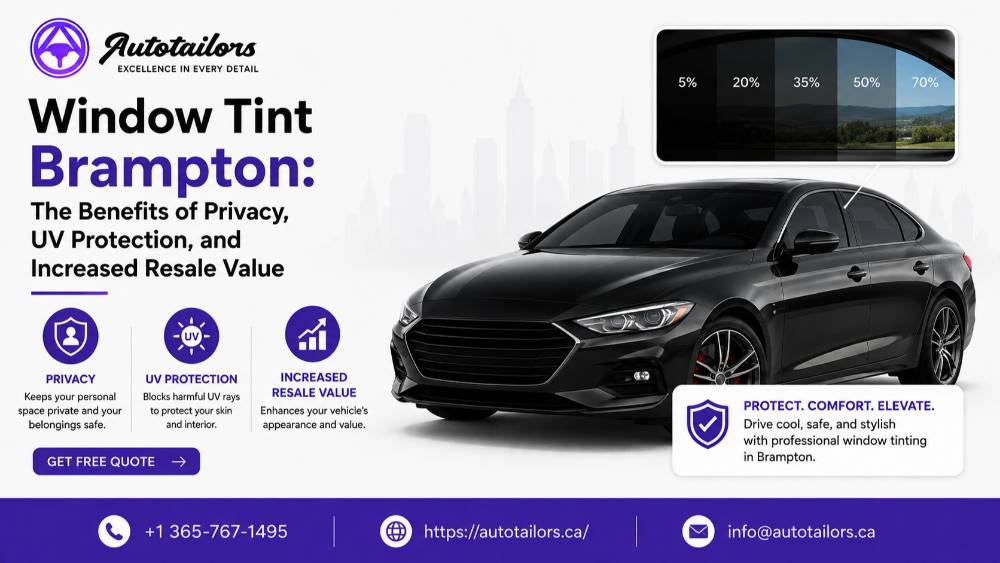
Ontario’s window tint rules come from the Highway Traffic Act (HTA) , specifically Section 73(2) and Section 73(3) . Front side windows must allow at least 70% Visible Light Transmission (VLT). Windshield tint is prohibited for most vehicles manufactured after January 1, 2017.
When dyed film fades and turns purple, it loses 20–30% of its rated VLT. That means tint that was legal when installed can become illegal over time. Police officers use handheld meters to check VLT at the roadside.
According to Westside Pro , Ontario law does not explicitly authorize aftermarket tint percentages for front windows. Instead, it prohibits windows that “substantially obscure” the vehicle’s interior. Front side windows must allow at least 70% Visible Light Transmission (VLT). Aftermarket windshield tint is prohibited for most vehicles manufactured after January 1, 2017.
The fine for illegal tint is $85 plus a victim surcharge, bringing the total to $110 per window. On top of the fine, you may fail your safety inspection and need to remove the tint—costing you time and money.
If your auto window tinting Brampton is fading or turning purple, replacement is not just about appearance—it is about staying legal.
Benefits of Replacing Old Window Tint
When you replace old, degraded tint with fresh, high-quality film, you get:
- 99% UV protection – Modern ceramic film blocks 99% of harmful UV rays, protecting your skin and preventing interior fading
- Superior heat rejection – Quality ceramic film rejects 60–80% of solar heat, keeping your car cooler
- Improved visibility – Clear, bubble-free tint means better visibility and safer driving
- Legal compliance – Fresh film ensures you meet Ontario’s VLT requirements
- Enhanced appearance – Consistent, clean tint makes your car look newer and better maintained
According to Wikipedia , modern ceramic window films are non-metallic and do not contain dyes that can result in discoloration. They can reduce energy transmission by as much as 80 percent. Window films are a retrofit upgrade for existing glass that can be used to address problems including heat and glare reduction, UV filtration, and protection from UV rays.
Real-World Example: A Brampton Driver’s Experience
A Brampton driver recently came to Autotailors with a 2018 sedan. The tint was seven years old—bubbling, peeling, and turning purple. The driver had noticed their car getting hotter in summer and had even received a warning from police about the tint’s darkness.
We removed the old, degraded film and installed high-quality ceramic tint with 70% VLT on front windows and darker film on rear windows. The result was a sleek, consistent look with superior heat rejection and UV protection—all fully legal.
The outcome: The driver passed their safety inspection without issues, avoided fines, and their car stays significantly cooler during summer drives.
Serving Areas in the GTA
At Autotailors , we proudly serve customers across the Greater Toronto Area. Our window tint replacement Brampton services are available in:
- Brampton
- Mississauga
- Toronto
- Vaughan
- Etobicoke
- Oakville
- Burlington
- Milton
- Caledon
- Halton Hills
- Richmond Hill
- Markham
Searching for the best car window tinting Brampton shop? Autotailors is your trusted Ontario-certified tint installer serving Brampton and surrounding areas.
Why Choose Autotailors for Your Window Tint Replacement in Brampton
At Autotailors , we are Brampton’s trusted destination for premium window tinting and automotive styling.
What sets us apart:
- Premium materials: We use high-quality window films from trusted brands like 3M that reject up to 66% of total solar energy and up to 95% of infrared heat
- Certified installers: Our team applies film without bubbles or wrinkles
- Legal compliance: We only install tints that comply with Ontario’s Highway Traffic Act. We measure your factory glass and follow Ontario law exactly
- Professional removal: We safely remove old, degraded tint without damaging your defroster lines or windows
- Lifetime warranty: If your tint ever bubbles, fades, or peels—we fix it
- Full-service solutions: From consultation to professional installation
- Serving the GTA: Brampton, Mississauga, Toronto, and surrounding areas
- Convenient location: 22 Strathearn Ave Unit 11B, Brampton, ON L6T 4S9
We also offer headlight and taillight tinting , car wraps , and partial wraps to complete your vehicle’s look.
Book Your Window Tint Replacement Today
Old, degraded tint is more than an eyesore—it is a safety hazard and a legal risk. If you have noticed bubbling, peeling, purple discoloration, hazy visibility, or increasing heat inside your car, it is time to replace your window tint Brampton .
At Autotailors, we help Brampton drivers get the look they want while staying fully compliant with Ontario’s Highway Traffic Act.
Here is what you get when you book with us:
- A free consultation to assess your current tint
- Expert advice on the best replacement film for your needs
- Professional removal of old tint
- Professional installation by certified technicians
- A lifetime warranty on materials and workmanship
- Full compliance with Ontario tint laws
Contact us today for your free consultation.
Frequently Asked Questions (FAQs)
1. How do I know if my window tint needs replacing?
Look for these five signs: bubbling that won’t go away, peeling around the edges, purple or faded discoloration, hazy or blurry visibility, and noticeably more heat inside the vehicle.
2. How long does car window tint last?
Dyed tint typically lasts 2–5 years, carbon tint lasts 7–10 years, and ceramic tint can last 10–20 years or more. Lifespan depends on film quality, sun exposure, climate, and maintenance.
3. Can bubbling window tint be repaired?
In most cases, no. Bubbling usually means the adhesive is failing. Trying to press bubbles back down rarely fixes the issue. Replacement is typically the cleanest solution.
4. Why does window tint turn purple?
UV rays from the sun break down the dye molecules in the film. Low-quality dyed films are especially susceptible. By the time purple is obvious, the film has lost significant VLT and may now be illegal.
5. Is faded window tint illegal in Ontario?
Yes. When tint fades and turns purple, it loses VLT and may fall below Ontario’s 70% requirement for front side windows. Police officers can ticket you for illegal tint.
6. What is the legal window tint limit in Ontario?
Front side windows must allow at least 70% Visible Light Transmission (VLT). Windshield tint is prohibited for most vehicles manufactured after January 1, 2017. Rear windows have no restrictions.
7. How much does window tint replacement cost in Brampton?
Replacement costs vary based on vehicle type, number of windows, and film quality. Contact Autotailors for a custom quote.
8. Can I replace the window tint myself?
DIY tint removal and installation is possible but risky. Professional installers have the tools, experience, and techniques to remove old film without damaging defroster lines and apply new film without bubbles or wrinkles.
9. How long does window tint replacement take?
Typically 2 to 4 hours for a standard car, depending on vehicle size and the number of windows. Removal of old tint may add time.
10. Why should I choose Autotailors for my window tint replacement?
Autotailors uses premium materials from industry leaders like 3M, certified installers, and ensures all installations comply with Ontario’s tint laws. We offer a lifetime warranty and serve Brampton, Mississauga, Toronto, and the entire GTA.
Final Thoughts
Window tint is one of those upgrades people stop thinking about once it is installed—at least until it starts looking rough or making the drive less comfortable. But old, degraded tint does more than look bad. It stops protecting you from UV rays, fails to reject heat, and can even put you at risk of fines.
If you have noticed bubbling, peeling, purple discoloration, hazy visibility, or increasing heat inside your car, it is time to replace your window tint Brampton .
At Autotailors , we specialise in legal, high-quality window tinting and replacement. We use premium materials and ensure every installation complies with Ontario’s Highway Traffic Act.
Ready to replace your old tint? Contact us today for a free consultation.