Key Takeaways
- VLT stands for visible light transmission. Lower numbers mean darker tint and less light reaching the cabin.
- The right shade depends on the window. Front, rear and back glass are treated differently.
- Darker does not automatically mean cooler. Film type affects heat rejection as much as shade does.
- Night driving and the age of the driver are real factors when choosing a darker shade.
- Check the current Ontario rules and ask the shop what suits each window.
What VLT Means
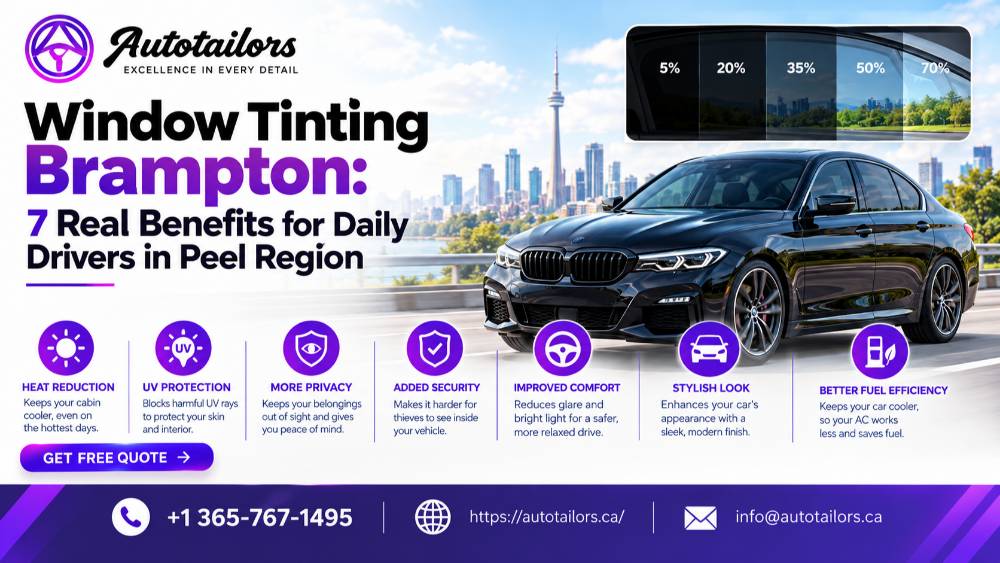
When someone describes a 35 percent or 50 percent film, they are describing VLT. A higher number lets more light through, and a lower number blocks more.
The percentage includes the factory glass. Many cars already have slightly tinted glass, so adding film changes the final number. A good installer will measure or estimate the combined result before recommending a shade. The window tinting page lists the film options Auto Tailors offers.
Shade Levels Compared
| Approximate VLT | Look from outside | Day driving | Night driving |
| 70 to 90 percent | Almost clear | Easy | Easy |
| 50 percent | Light smoke | Comfortable | Comfortable for most drivers |
| 35 percent | Noticeably tinted | Comfortable | Needs more care on dim streets |
| 20 percent | Dark | Good privacy | Can reduce visibility on dark roads |
| 5 percent | Very dark | Maximum privacy | Hard to see out of at night |
The darker rows mostly apply to rear and back glass. The windshield and front side windows face tighter limits (see below), so a shade that suits the rear may not suit the front.
These are general guides, not promises, because results depend on the film and your glass. Ask to see a sample against the window, since colour and darkness look different under shop lights and in daylight.
Which Windows Have Stricter Rules?
In Ontario, the windshield and front side windows are treated more strictly than the rest of the car. The Highway Traffic Act addresses coloured or reflective material on the windshield and the windows to the left and right of the driver that substantially obscures the interior. The wording is in the Highway Traffic Act on ontario.ca.
Separately from the Act, Ontario’s vehicle safety inspection standard is widely reported to require about 70 percent light transmission for aftermarket film on front side windows, and no aftermarket tint on the windshield of newer vehicles. That figure comes from the inspection standard, not the Highway Traffic Act, so confirm the current requirement with the Ministry of Transportation or your installer before choosing a front-window shade.
Interpretations and inspection standards can change, so do not rely on a blog post alone. Ask your installer what they recommend for each window and keep the film details from your invoice.
How to Pick a Shade
- Think about how you drive: mostly in daylight or often at night.
- Consider your passengers. Children and older riders may want more light and strong UV protection.
- Choose the film type first, then the shade.
- Match the front and rear windows so the car looks balanced.
- View the sample in daylight and in shade before you commit.
If you park outdoors in summer, strong heat rejection may matter more than darkness. If you want a subtle change with UV protection, a lighter ceramic film is worth considering.
Day Versus Night Visibility
Shade charts look simple, but real driving is less tidy. In bright afternoon sun almost any shade feels fine. On a dim side street at night, very dark film on the side windows can make mirrors and pedestrians harder to see. Many installers suggest a lighter front shade even when the rear glass is darker.
- Ask to see a sample held against the glass at dusk, not only under shop lights.
- Consider the age and eyesight of everyone who will drive the car.
- Remember that wet roads and glare make dark film more noticeable.
Darkness and Heat Are Different Things
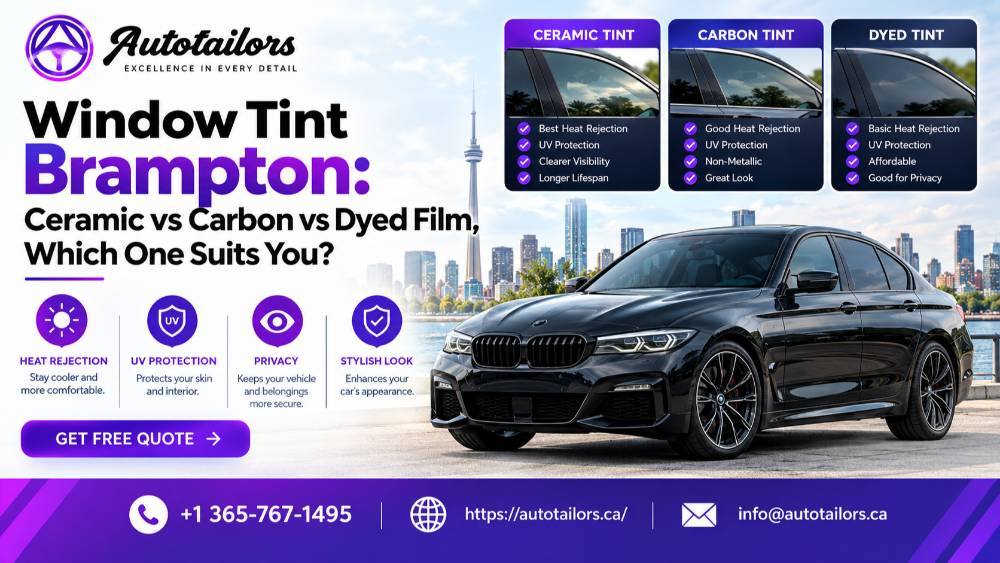
Many drivers assume a darker tint means a cooler car. In practice, heat performance depends on the film technology. Ceramic and carbon films can reject a significant share of infrared heat at lighter shades, while basic dyed film mostly absorbs light.
UV protection works the same way: it depends on the film, not on how dark it looks. Ask for the specifications of the exact product rather than choosing by the lowest number.
Windshield Strips and Other Extras
Some drivers add a strip across the top of the windshield for glare. Ask whether a strip is suitable for your vehicle and permitted under current rules before agreeing to it.
To extend the look, headlight and taillight tint and a chrome delete can give a consistent blacked-out style. The car wraps page has further ideas.
Unsure which shade suits your car and your driving? Ask the shop for a recommendation by window, and request a sample before you decide.
Questions to Ask Before Choosing
| Question | Why it matters |
| What will the final VLT be on my glass? | Factory tint changes the result |
| Which film types do you offer? | Heat and UV performance differ widely |
| What do you recommend for the front windows? | Rules are stricter there |
| How will the film age? | Basic dyed film can fade or change colour |
The Auto Tailors gallery shows shades on real cars.
Caring for the Film
Clean with an ammonia-free product and a soft cloth. Keep suction mounts and sharp objects away from the film, and take care with seat belts and bags near the door edge, where film can scuff.
Frequently Asked Questions
What does VLT mean?
VLT is the percentage of visible light that passes through the glass and film together. Lower numbers are darker and higher numbers are lighter. Factory glass is included in the figure, so the final result differs from the film’s rating alone.
Is darker tint always better?
No. Darker film gives more privacy but can reduce visibility at night. Heat and UV performance depend more on the film type than on darkness, so a lighter ceramic film can outperform a darker basic one.
What is the most popular shade?
Many drivers choose a mid-range shade for the rear windows because it balances privacy and visibility. Front windows are held to stricter limits. The right choice depends on your vehicle, your driving habits and the rules for each window, so ask the shop for a sample.
Can I tint the windshield?
Ontario regulates coloured or reflective material on the windshield. Speak with an installer and read the Highway Traffic Act before adding anything there, including a top strip.
Are the rules the same for every window?
No. The windshield and front side windows face the strictest rules, and the Highway Traffic Act wording focuses on them. Rear windows are treated differently, but confirm what suits each window with your installer.
Will tint affect my insurance?
Compliant tint should not cause an issue, but you can confirm with your insurer. A ticket for non-compliant tint could cause other problems, so choose carefully and keep your invoice.
How can I find out my current VLT?
A tint meter measures it. Some shops will check your windows during a consultation, which is useful if you are adding film over factory tint.
Can I use different shades on different windows?
Yes, and many cars do. Front windows are often lighter and rear windows darker, provided the choices fit the rules. To arrange a consultation, use the contact page.
Conclusion
Choosing a car window tint Brampton drivers will still be happy with years later means understanding VLT, respecting the rules for each window and picking film for its performance. A clear view at night is worth more than a few extra points of darkness.
Explore the window tinting service, browse recent projects in the gallery, or talk to Auto Tailors about the right shade.